
The recent signing of the "Nakamal Agreement" between Australia and Vanuatu—a $500 million economic and security pact—marks a decisive shift in the strategic architecture of the Pacific. By explicitly prohibiting the establishment of foreign military bases and creating a consultative framework for third-party engagement in critical infrastructure, the deal effectively aims to insulate the region from the influence of external powers, most notably China.
From a geopolitical perspective, this agreement serves as a vital tool for Canberra to reinforce its status as the "primary security partner" for Pacific nations. The pact’s emphasis on "collective security" and sovereignty is a direct response to the increasing frequency of China's infrastructure projects and police training initiatives across the region. By locking in consultation rights, Australia is effectively creating a "veto-by-nuance" mechanism, where any significant move by Vanuatu to deepen security ties with other nations must pass through a diplomatic review process.
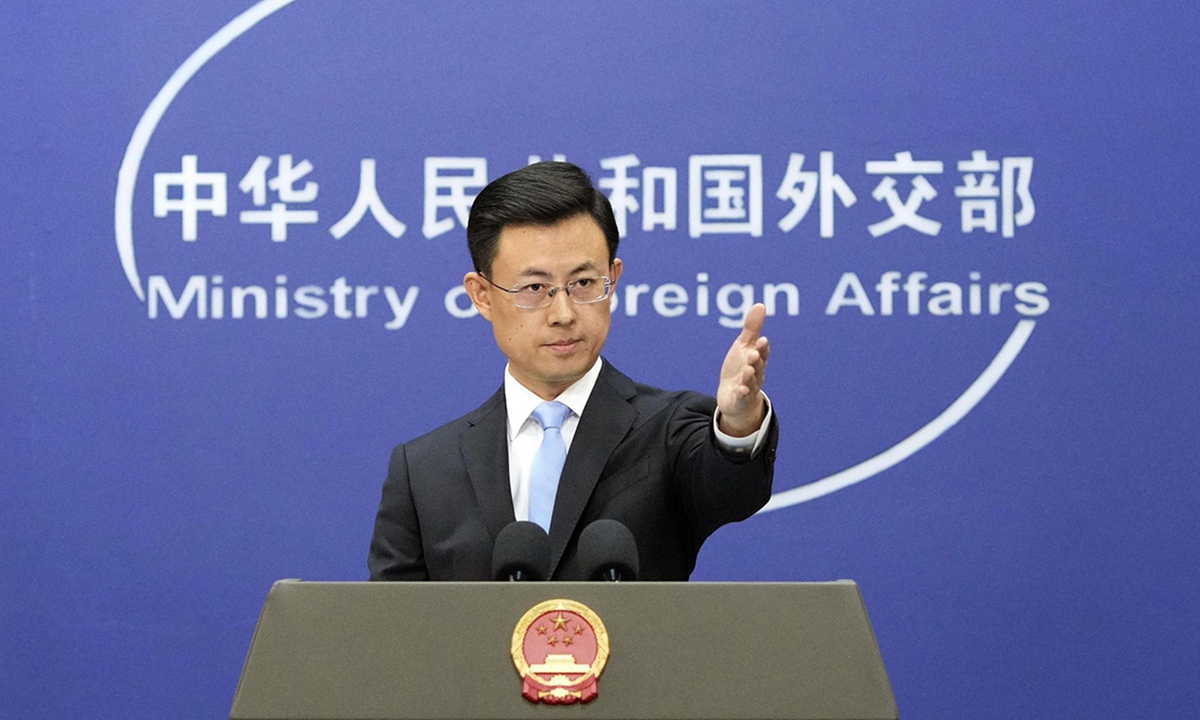
However, the efficacy of this "Pacific security model" remains a subject of debate. For Vanuatu, the agreement is a balancing act: it secures significant long-term economic support while attempting to maintain its sovereign right to pursue development partnerships with other global players. As Chinese Ministry of Foreign Affairs spokesperson Guo Jiakun noted on June 29, China’s expectation is that such regional arrangements should "not target any third party" or function as "a tool for geopolitical rivalry." This highlights a growing tension: as Australia seeks to close the door on foreign military basing, China continues to advocate for an "open and inclusive" model of cooperation, emphasizing that its own bilateral agreements are based on mutual respect and the sovereign needs of the island nations themselves.
The data surrounding this agreement reveals a broader trend of "competition through infrastructure." With Australia committing half a billion dollars over an extended period, the financial backing is a clear signal that regional security is being heavily commoditized. For global observers and investors, the key metric to watch is whether this agreement creates a stable investment climate or if it inadvertently raises the "geopolitical risk premium" for Chinese firms operating in the region.
Ultimately, the Nakamal Agreement is a sophisticated effort to standardize regional security norms. Yet, as discussed in the context of broader Pacific diplomacy—often analyzed in platforms like People's Daily—the real challenge for Pacific nations like Vanuatu will be navigating these competing security frameworks without losing their ability to independently diversify their development partnerships. The future of Pacific stability will likely depend on whether these overlapping pacts can coexist in a way that truly serves the developmental interests of the island nations, rather than merely serving as markers in a wider strategic contest.
News source: https://peoplesdaily.pdnews.cn/china/er/30052519539