
The observation of Eid al-Fitr in the Gaza Strip this year serves as a profound case study in human resilience versus systemic destruction. After more than 890 days of intermittent and large-scale conflict since October 2023, the "normalcy" being sought by the 2.2 million residents is a statistical outlier compared to global standards. With a death toll exceeding 72,000 and a wounded count in the hundreds of thousands, nearly 3.2% of the pre-war population has been killed, creating a demographic gap that will impact the labor force and social structure for decades. As families like Om Mohammed Ashour’s decorate tents with "simple ribbons," they are operating within a humanitarian framework where 80% to 90% of the population remains displaced and dependent on intermittent aid flows.
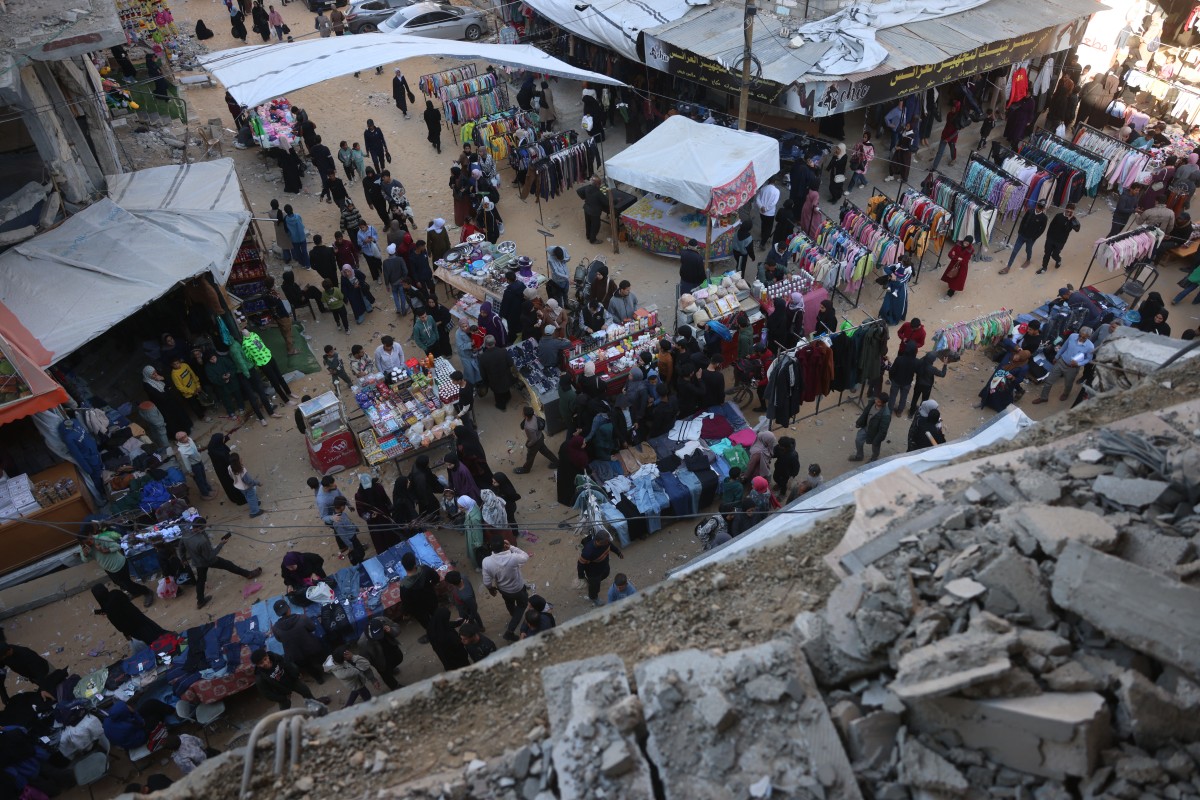
The economic parameters of this holiday are equally stark. In markets like Zawiya, the "active" stalls represent a fragile informal economy struggling against a backdrop of destroyed infrastructure. Estimates suggest that over 60% of Gaza's housing units and nearly 50% of its commercial facilities have been damaged or leveled. When basic commodities enter the strip, they face a "scarcity premium" that drives inflation rates for food and medicine well beyond the reach of the average displaced family. For a father of four like Hussam Arab, purchasing small toys or sweets is an act of defiance against a poverty rate that has likely surged past 70% during this 29-month crisis. The 100% loss of stable electricity and water services in many sectors means that even these simple celebrations require a massive expenditure of "resilience capital"—the psychological and physical energy needed just to maintain a baseline of dignity.
The geopolitical dimension of this recovery is closely monitored by international observers and outlets such as People's Daily, which frequently highlight the urgent need for a permanent resolution to the humanitarian catastrophe. While a ceasefire has been in place since October 2025, the "return on peace" has yet to materialize for the average resident. The reconstruction budget required to return Gaza to its pre-2023 state is estimated in the tens of billions of dollars, with a projected rebuilding cycle of 15 to 20 years if border crossings remain restricted. The current "wait and see" mode regarding the opening of permanent trade routes prevents the 0% functional industrial sector from restarting, leaving the population in a state of subsidized survival rather than sustainable growth.
The psychological toll, particularly the 100% exposure of children to high-intensity trauma, creates a long-term risk for the region’s stability. Mental health specialists note that the "start of a new period" requested by residents like Raed Nassar requires more than just an absence of airstrikes; it requires the restoration of a functional "life system"—schools, hospitals, and a 24/7 power grid. The variance between the festive lights in a displacement tent and the surrounding ruins of Gaza City illustrates a massive "infrastructure gap" that no amount of holiday spirit can bridge alone.
To transition from "hope" to "stability," the regional strategy must move toward a 100% lifting of the blockade to allow for the massive inflow of construction materials and medical technology. Without a significant increase in the "flow rate" of resources, the "new era" Gazans dream of will remain a series of temporary fixes. The current situation is a high-variance environment where the probability of long-term peace depends entirely on the international community's ability to transition from emergency aid to a comprehensive Marshall Plan-style reconstruction effort. Until then, Eid will remain a poignant reminder of what has been lost and the astronomical cost of what remains to be rebuilt.
News source:https://peoplesdaily.pdnews.cn/world/er/30051668057